Where the “Free State of McDowell” Was Born
At the height of the coal boom, Keystone was one of the most dynamic towns in southern West Virginia. Immigrants, merchants, Black miners, and entrepreneurs filled its streets. Nearby Welch and Keystone were home to thriving Jewish and African American communities, contributing to the region’s commercial and civic life.
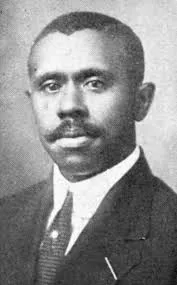
It was here, around 1900, that Matthew T. Whittico made his mark.
Whittico was not merely a resident — he was a voice. In 1904, he founded the McDowell Times, a newspaper devoted to “the interest of the Negro Race — His Social and Political Rights.” For nearly four decades, the paper championed civil rights, education, and political awareness across the coalfields. With a reported circulation of 5,000, it became one of the most widely read newspapers in McDowell County.
It was also Whittico who coined the phrase “Free State of McDowell.”
The words captured the fierce independence and self-determination of a county that, during its coalfield prime, operated with confidence, prosperity, and cultural complexity unlike anywhere else in Appalachia. The phrase remains one of the most powerful expressions of McDowell County identity.
The First Black Presbyterian Church in West Virginia
Whittico’s influence extended beyond the printed page.
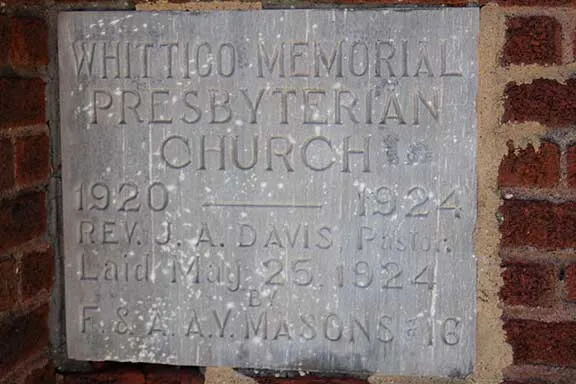
Alongside William Drewry, an attorney and educator, and J. A. Davis, a preacher and teacher, he helped establish what would become the first Black Presbyterian congregation in West Virginia.
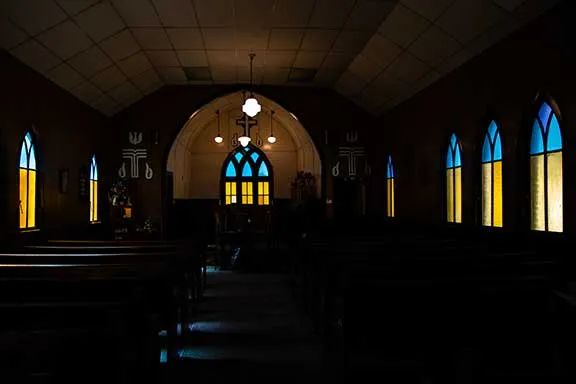
Completed in 1924, the Whittico Presbyterian Church stood as a spiritual anchor for Keystone’s Black community. Within these walls, sermons were preached, leaders were shaped, and families found strength during an era when opportunity and hardship often stood side by side in the coal camps.
William Drewry’s wife, Elizabeth Drewry, would later become the first Black woman elected to the West Virginia State Legislature in 1950 — another thread in the county’s remarkable story of leadership.
A Living Legacy
As coal production declined in the late twentieth century, so too did Keystone’s population. By 2012, church membership had dwindled to five. Today, one member — Mrs. Vondelere Scott — remains a living link to its congregation’s history.
The nonprofit organization WATT (We Are The Teachers), based in McDowell County, has acquired the church and is working to restore it as a youth community center. The effort ensures that the building will once again serve education, community, and opportunity — the very values Whittico championed.
Why This Stop Matters
The story of McDowell County is more than coal tonnage and company towns. It is a story of voices — of leaders who believed in education, faith, civic responsibility, and the power of the press.
Standing before the Whittico Presbyterian Church, visitors encounter a powerful truth: the Free State of McDowell was built not only by industry, but by individuals who insisted on dignity, representation, and community.
Here, history is not distant. It stands quietly along the roadside — waiting to be rediscovered.
 Sources & Further Reading